Same Loom. Same Town.
Different Centuries
Trenton Mills is a working cotton mill in Trenton, Tennessee — not a brand with a backstory, a factory with one. The dishcloths, the beef netting, the haunt material: all of it comes off the same floor it always has, made by people who'd rather show you a spec sheet than an ad.
The mill has new owners.
But everything else is the same.
With a deep respect for its roots and a clear vision for its future, we are committed to honoring the craftsmanship and character that have defined this mill for generations.
As the new Chief Operating Officer, I, Taylor Reich, am honored to lead this next phase. We’re excited to build upon the strong foundation laid before us - preserving the integrity of our time-tested equipment and practices while refining operations, strengthening our team, and growing sustainably.
Our goal is to carry forward the spirit of Trenton Mills: dependable, skilled, and proudly rooted in tradition. The future is bright, and we’re just getting started.
A hundred forty
years, one floor.
Most of what's changed at Trenton Mills is the calendar. The goods found new customers — butchers, then home cooks, then haunters — but the way they're made hasn't needed improving. Here's the short version.
- 1884
Looms on the rail line
The mill opens in Trenton - close enough to the railroad to ship workhorse cotton goods anywhere a boxcar could go. The first looms are bolted to factory floor, and Trenton's first industry opens. Known as the Trenton Cotton Mill Company, it was incorporated by a special act of the Legislature that year. There was reason for enthusiasm among the town’s leaders, for this new industry would provide jobs for 160 people and have a weekly payroll of $600.
- 1900s
Fabric by the mile
During the early years of its operation, the lower floor of the mill building was used as a weaving room, with 160 looms in operation. The second story housed the carding and spinning machinery, with 40 carding machines and 6,000 spindles on the spinning equipment. The first products were woven fabrics such as sheeting and drills, and cotton batting which was sold to furniture and mattress manufacturers. One of the things to which the owners proudly pointed was the fact that the new mill, lighted by its own electric system, used over two hundred incandescent lamps.
- 1929
Out of the ashes, a new beginning
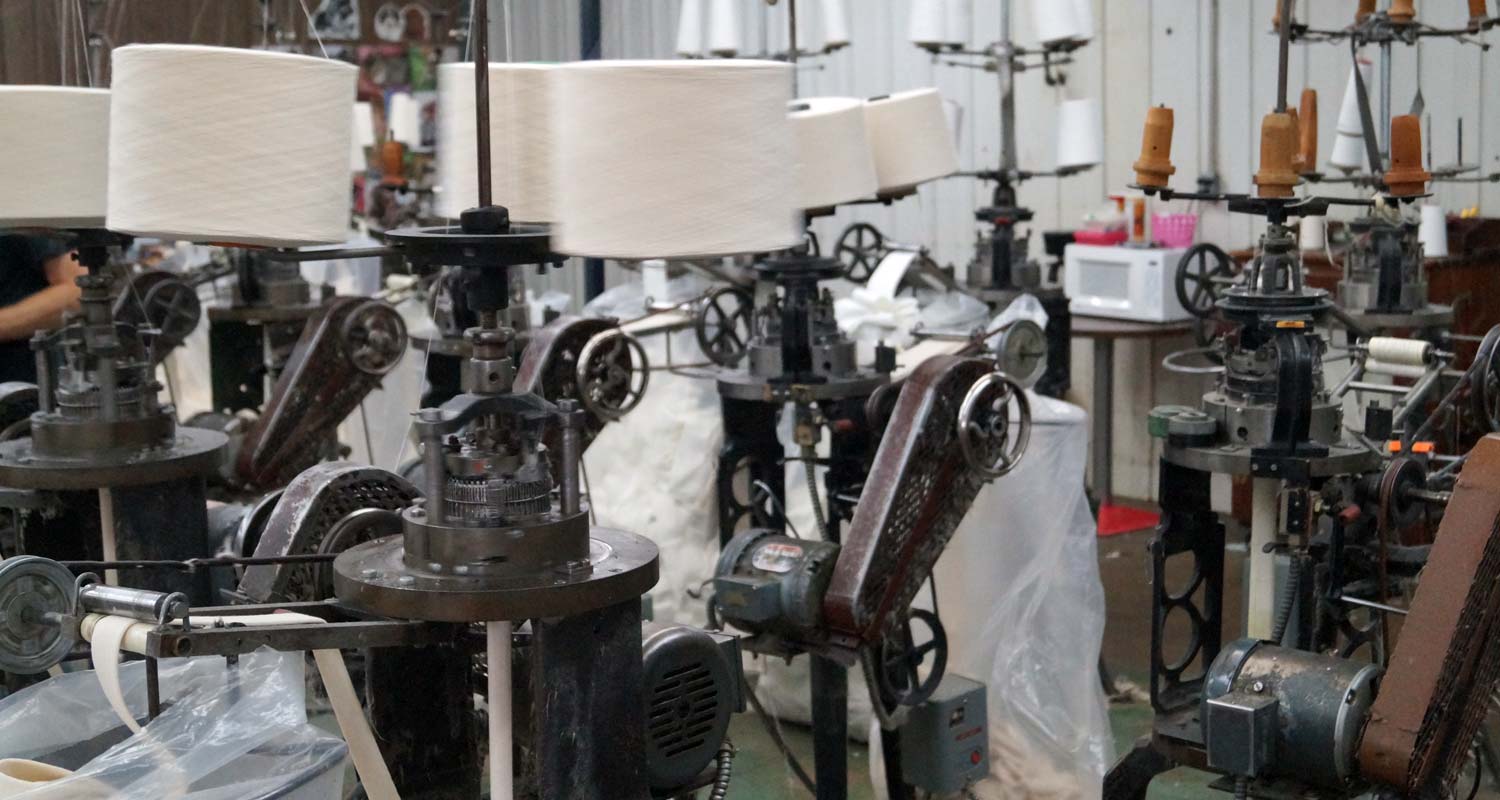
The original building had burned in 1929. When the mill was rebuilt, the looms were replaced with knitting machines, and the plant’s principal products were meat bags and wiping cloths.
- 1964
Growth and planning for the future
The mill was acquired by Dyersburg Fabrics Inc. on October 28, 1964, and with the acquisition came a new future for Trenton Mills. The new owners launched a bold modernization and expansion program.
- 1990s
The haunters find us
Halloween builders discover that real beef netting stretches like cobweb and doesn't fall apart in the rain. A product made for butchers gets a second life sixteen feet across America's porches.
- 2001
Modernization intertwined with history
Then, in September 2001, a new era began for Trenton Mills when the Donner family purchased the business from Dyersburg Fabrics. With vast capital improvements made since the purchase, a series of new knitting machines were already installed and began running production next to the near-century-old equipment still in use today.
- 2025
New hands, old machines
On July 15, 2025, the next chapter in Trenton Mills’ legacy began as the Needham family proudly acquired the company. The circular knitting machines don't move, the crew doesn't change, and the phone number stays the same. The announcement says the rest.
The people who
pick up the phone.
No queue, no ticket numbers. Call (731) 855-1323 and ask for someone by name.
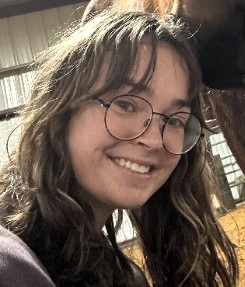
Taylor Reich
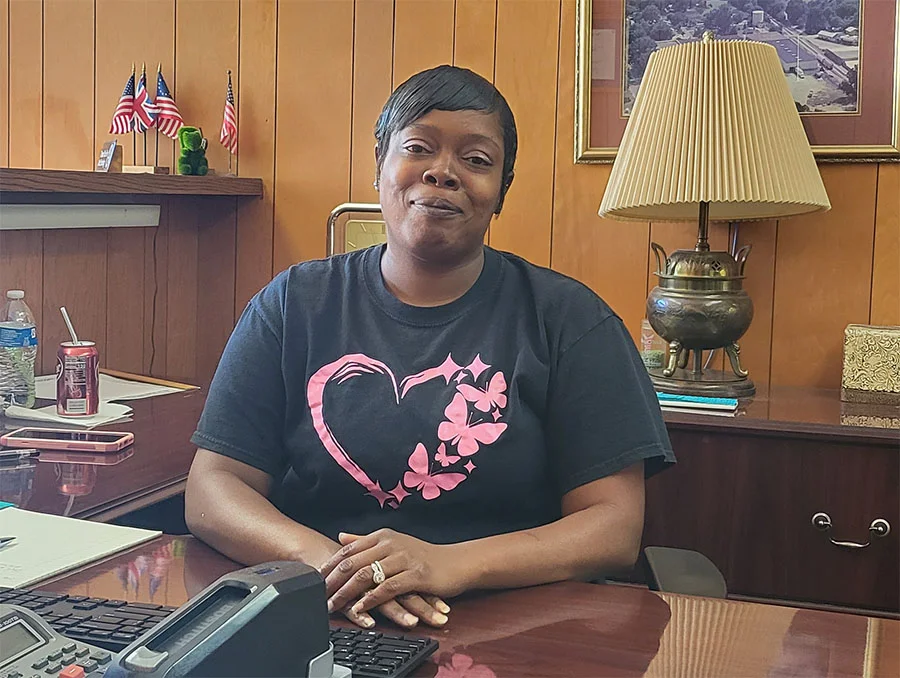
Racquel Triplet
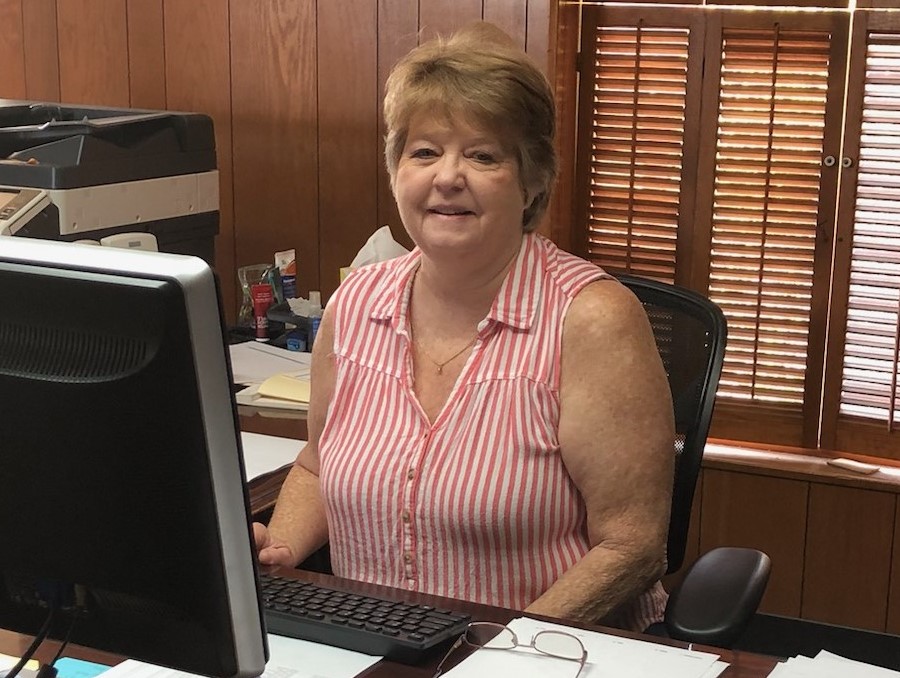
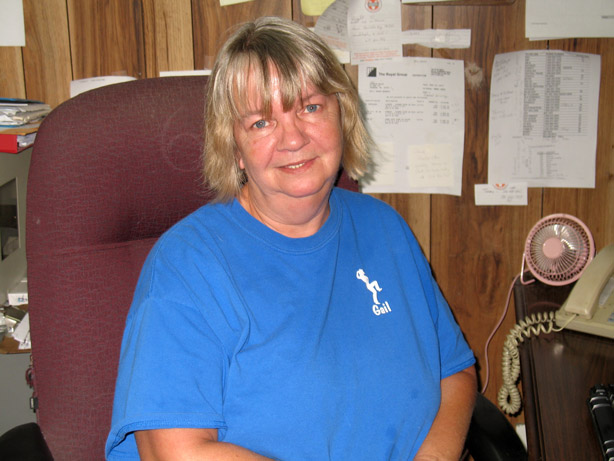
Linda Davis

John Fulcher